Mini or full size: right-sizing the excavator
The biggest machine that fits is rarely the cheapest machine that works. Where the line sits.
Excavators are the deepest part of our yard, and the sizing conversation goes the same way most weeks. Someone asks for the biggest machine that will fit through the gate. That is the wrong end of the question.
What size actually buys
Size buys three things: reach, breakout, and cycle. A bigger machine digs deeper, pulls harder, and moves more per cycle. If your job is limited by any of those, size is the answer and the rest of this post is noise.
But most jobs are not limited by those. Most jobs are limited by access, by ground, or by the truck.
What size costs
- Transport. Weight and width decide the trailer, and eventually the permit.
- Ground. More weight on the same footprint is more pressure, and coastal ground notices.
- Room to work. A machine that cannot swing without repositioning has given back the cycle time it was bought for.
- Damage. On a finished or tight site, the bigger machine is the one that hits something.
- Rate. Straightforwardly, it costs more per day.
The questions that settle it
- How deep, actually?Dig depth is the one spec you cannot work around. Measure the deepest point of the real job.
- What is it loading?Match the bucket to the truck, then match the machine to the bucket. Three to five passes is the target, same as a loader.
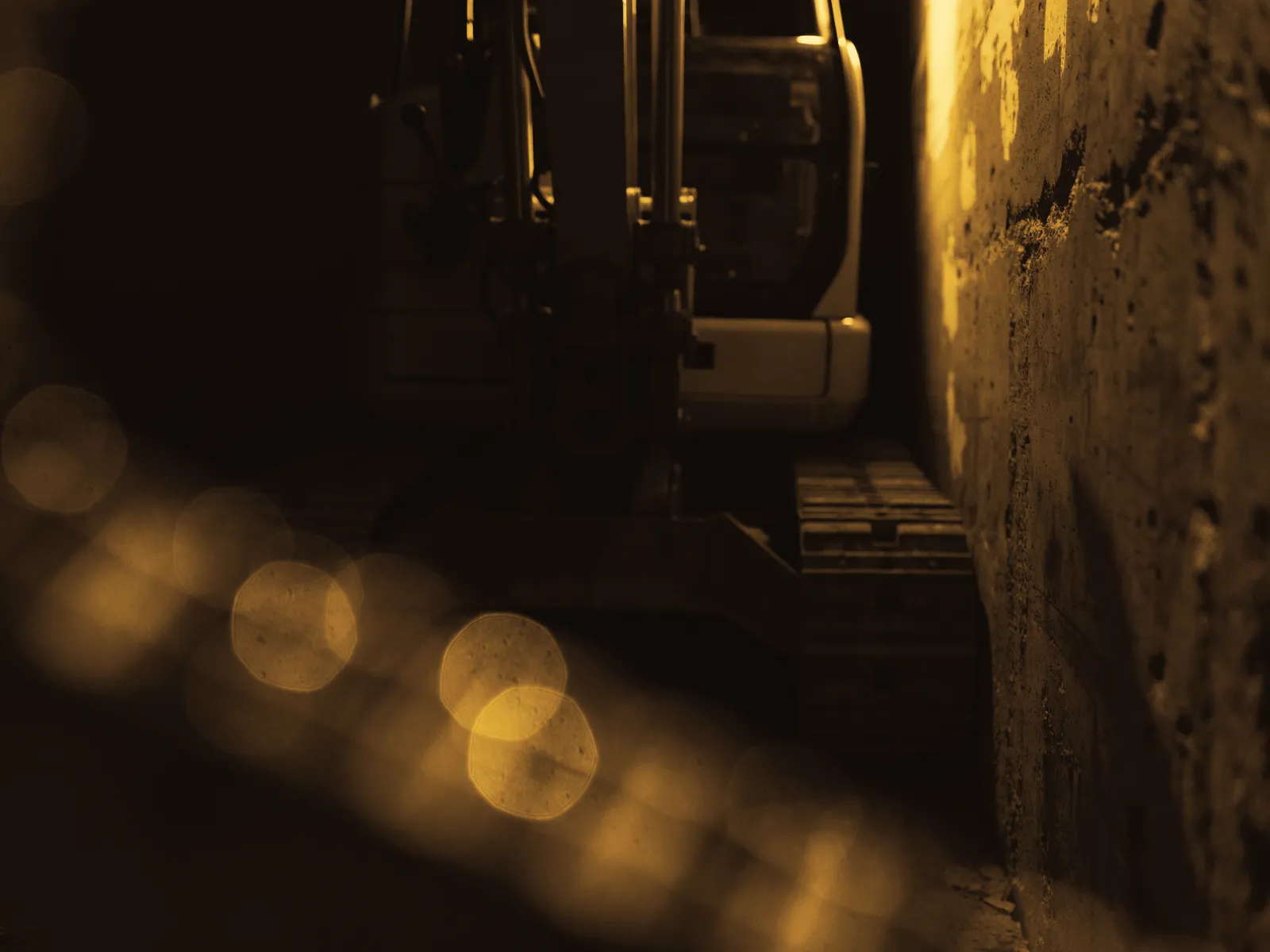
- What is the tightest point?Access route and working room. Both, not just the gate.
- What is the ground?Soft, wet, or freshly placed changes the answer more than the dig does.
- Can it swing where it has to work?Tail swing against a wall or a trench edge is a working constraint, not a detail. It is why zero and reduced tail-swing machines exist.
Where minis genuinely win
Confined sites, existing structures, finished surfaces, and anything residential. They get in, they do less damage, they move on a smaller trailer, and they cost less every day they are there. On the right job a mini is not a compromise — it is the correct machine, and the full-size one would have been the expensive mistake.
Where they do not
Volume. If you are moving serious material, a mini turns your job into cycles. Undersizing is just as expensive as oversizing; it simply bills you in time rather than in rate.
The middle is real
Two machines is sometimes cheaper than one compromise: the full-size for the bulk, the mini for the tight work and the tidy-up. Run the days before you dismiss it.
Tell us the depth, the material, the truck, and the tightest point. We run excavators and minis across the earth-moving fleet, and the right one is usually obvious from those four facts.