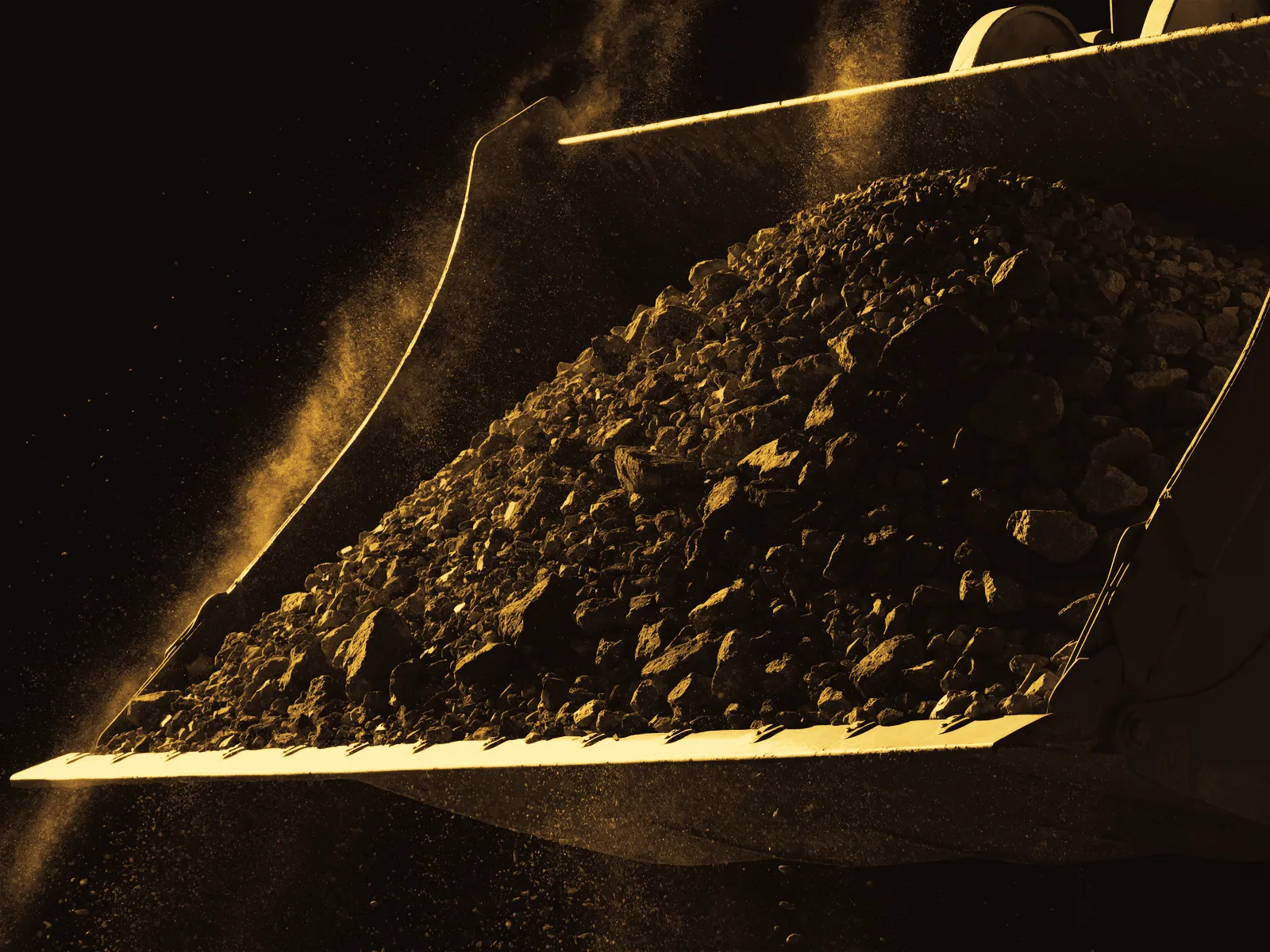
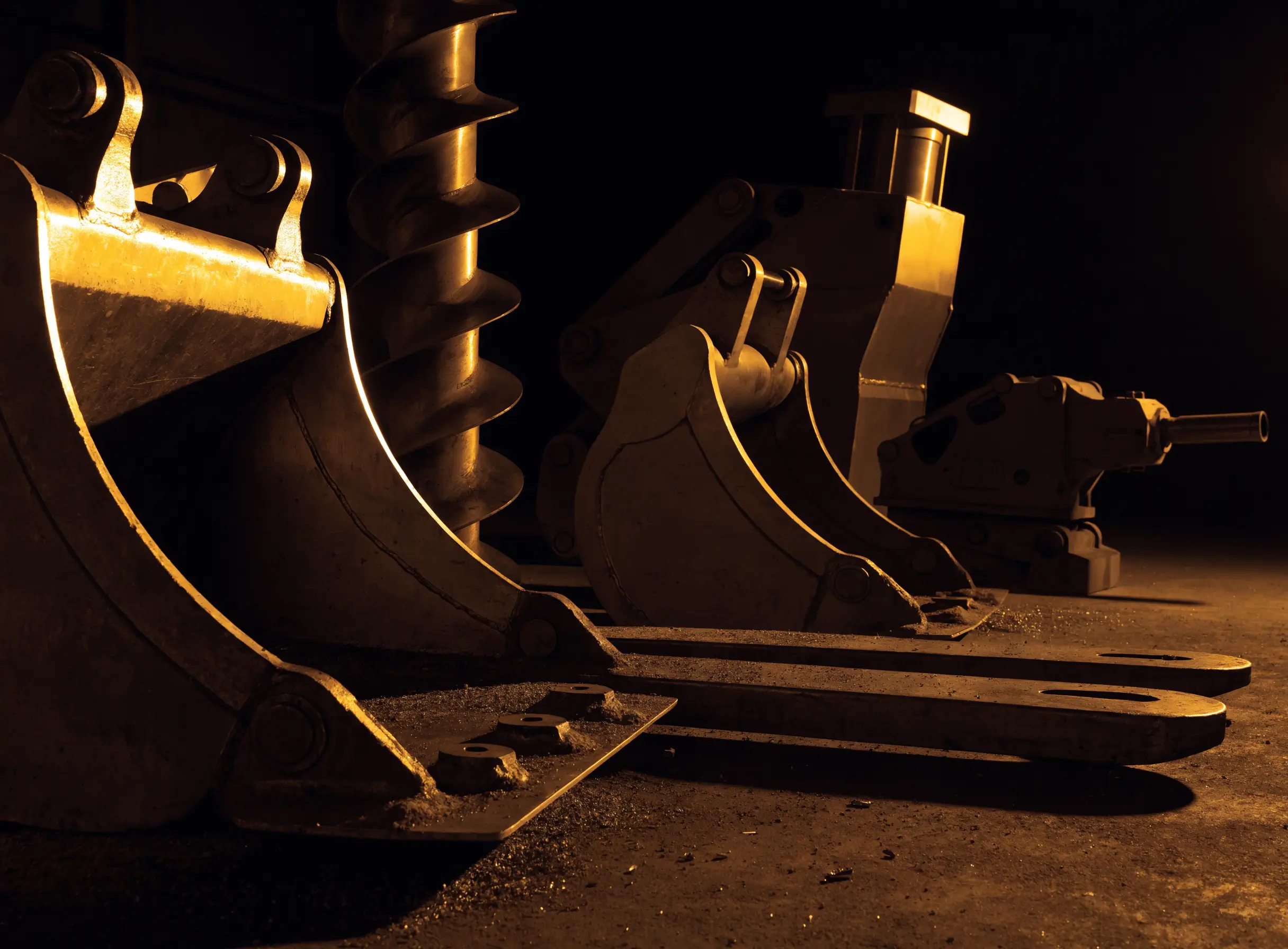
Attachments: one carriage, five jobs
The cheapest second machine is usually a different attachment on the one you already have.
Before you price a second machine, price a second attachment. It is frequently the same capability for a fraction of the money, and it does not need its own trailer.
What a carriage buys you
One carriage swaps between forks, buckets, jibs, and work platforms. That is four jobs from one machine, one operator, and one delivery. On a site with limited room and limited access, that is often worth more than the capability itself.
The rule everyone forgets
Every attachment changes the safe weight. Not slightly. A jib moves the load away from the pivot before you have lifted anything, and the machine feels that as leverage. Forks, a bucket, and a jib are three different machines wearing the same paint.
What to check before you fit one
- Does it physically fitCoupler type and pin sizes. "Nearly" is not a coupler standard.
- Does the machine have the flowHydraulic attachments need pressure and flow, not just a coupling. An underfed breaker is a slow breaker and a hot machine.
- What does it weighThe attachment eats into your capacity before the load does. Heavy attachment, lighter load. That is the trade.
- Which chart appliesThe one for the carriage that is on the machine today.
- Is it the right tool at allA bucket on a telehandler is a bucket on a telehandler. It will move material. A loader will move more.
Where attachments genuinely win
- Tight sites. One machine in, four jobs done, one machine out.
- Short tasks. Renting a breaker for two days beats owning one that works twice a year.
- Mixed work. When the job changes shape weekly, the carriage is the flexible part.
And where they do not
Volume work. If you are moving material all day, every day, the attachment on the wrong base machine is a compromise you pay for on every cycle. At that point buy the right machine — or rent it for the stretch that needs it.
Tell us the tasks and the base machine you have. We will tell you which of them an attachment solves, and which of them it only nearly solves.