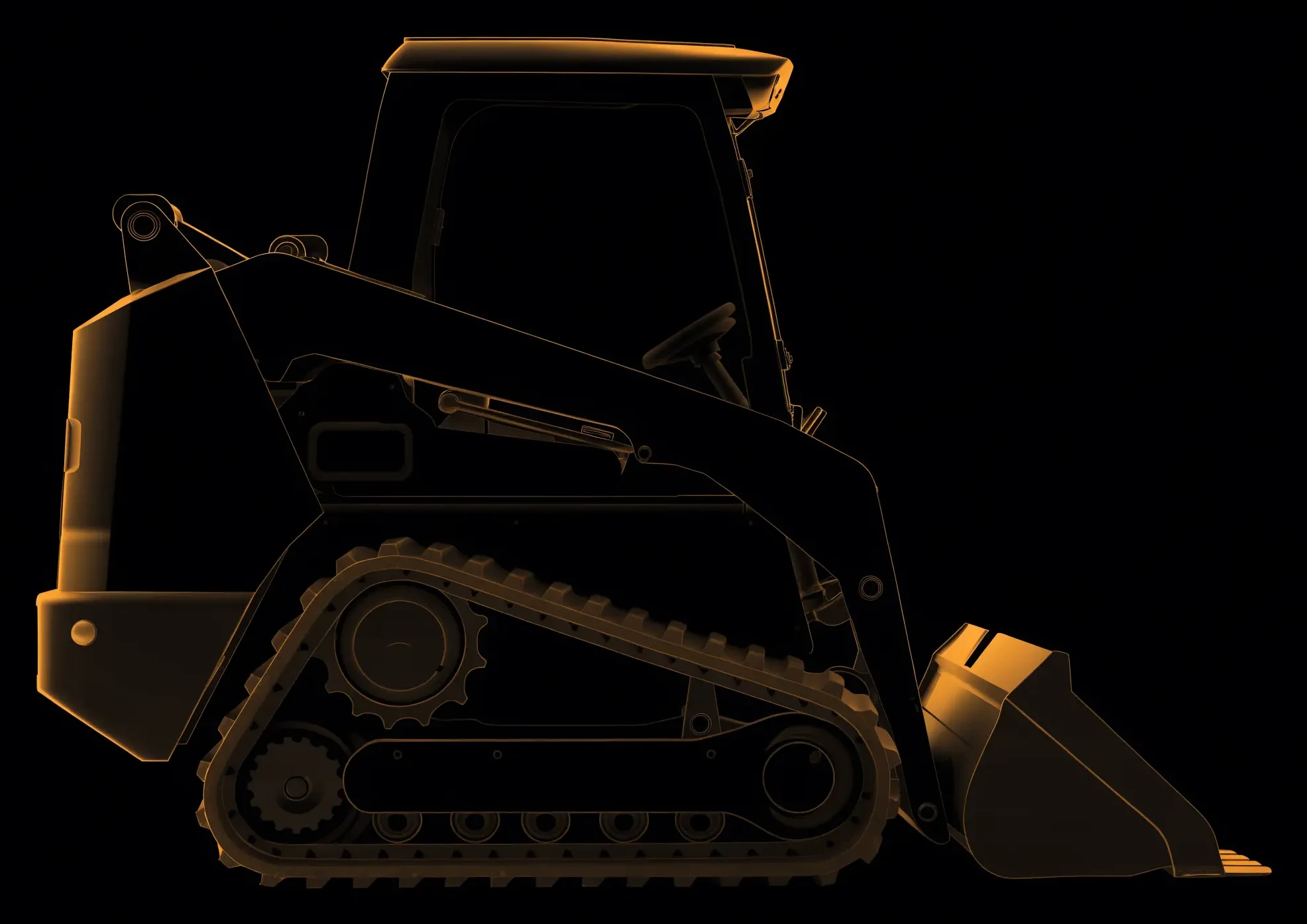
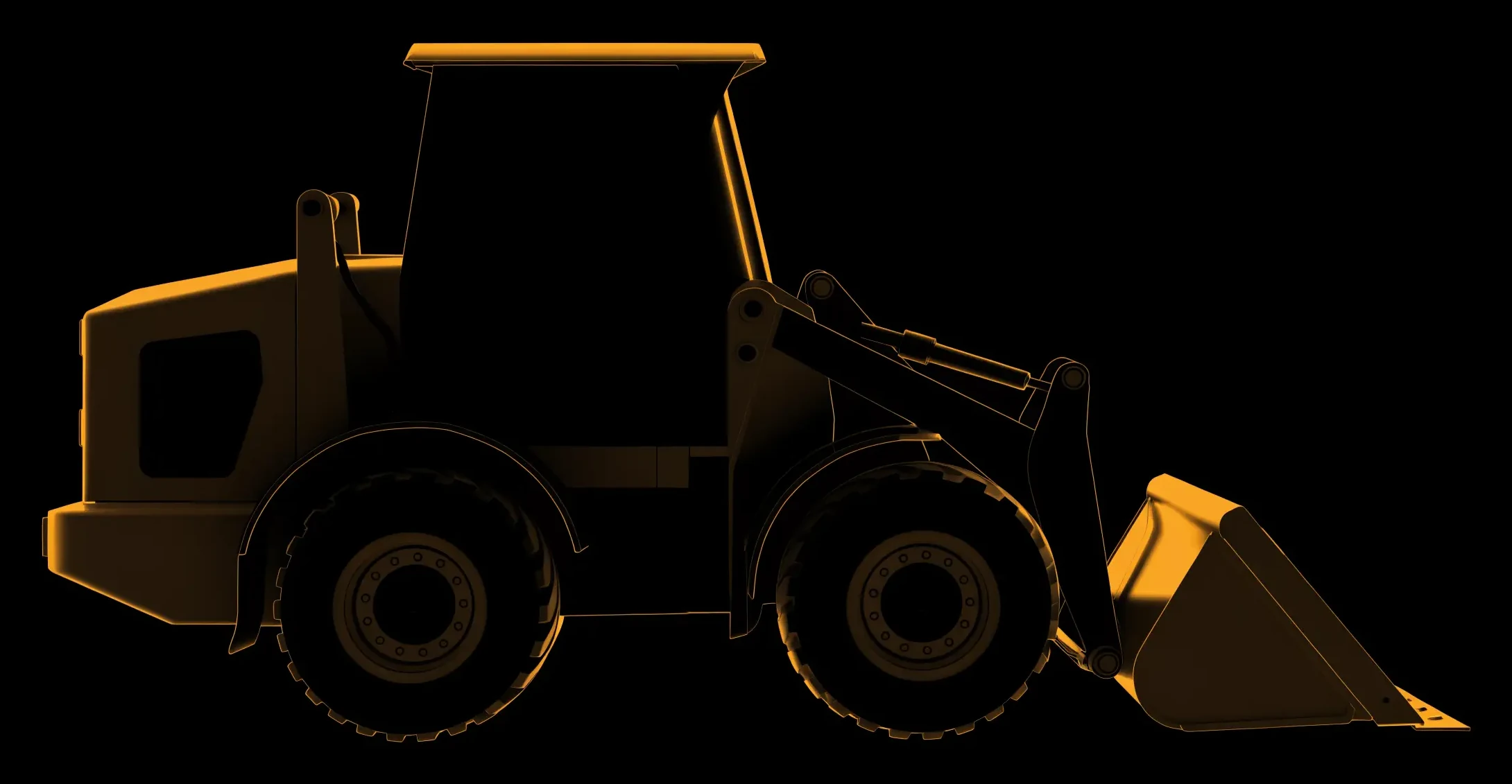
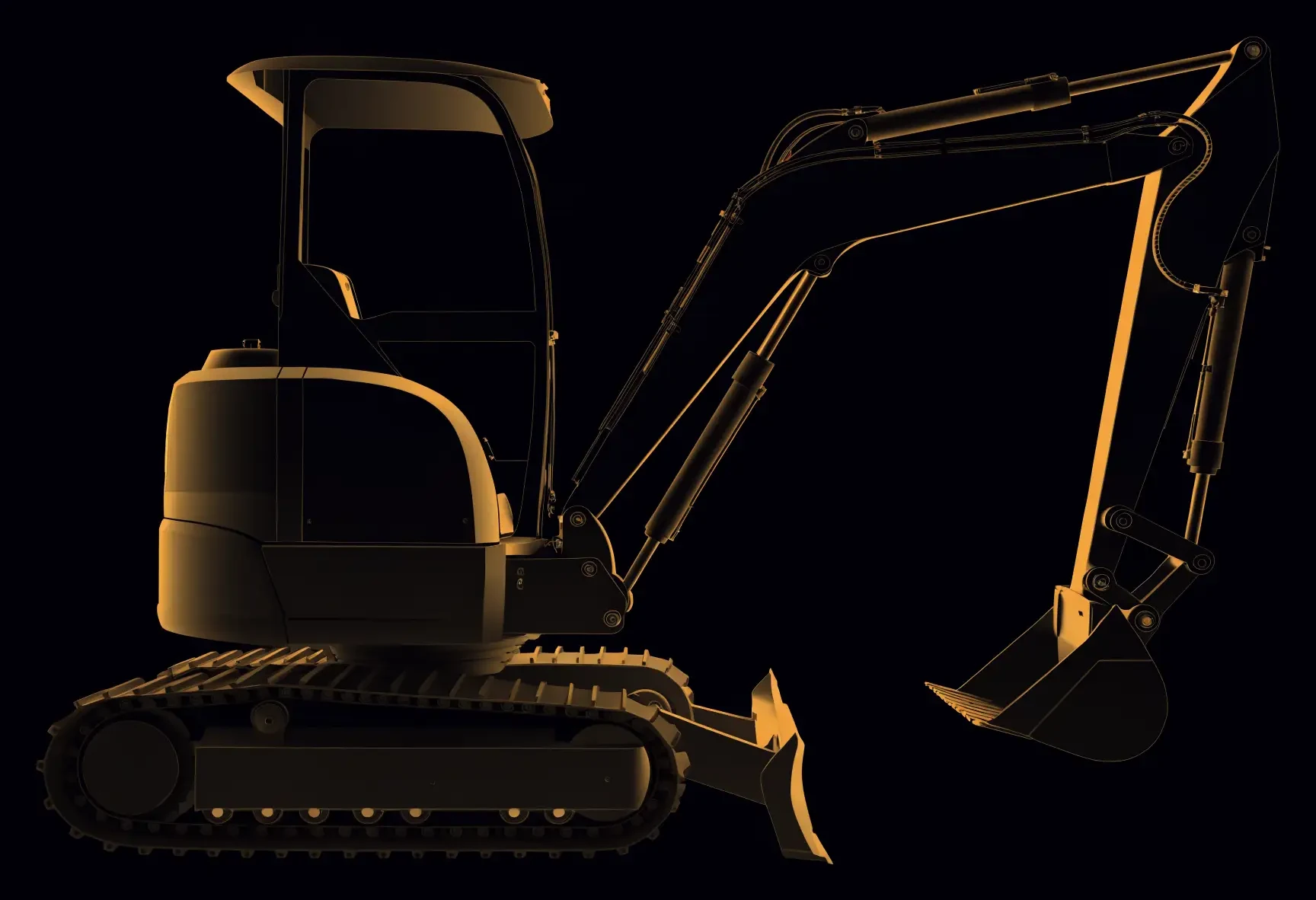
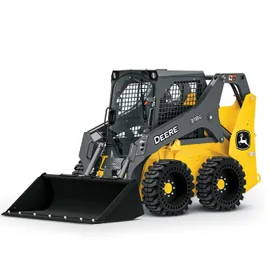
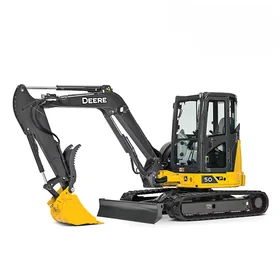
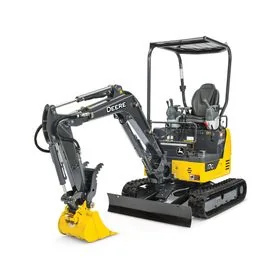
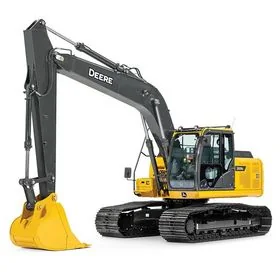
Start with the job, not the badge. A wheel loader loads, carries, and stockpiles. A crawler excavator digs, trenches, and reaches. Match the machine to the task first. Then size it.
For a wheel loader, bucket volume drives your cycle count. Our class runs 1.0 to 3.5 m³. A 1.0 m³ bucket loads a small truck in several passes. A 3.5 m³ bucket fills a highway truck in three or four. Fewer passes means shorter cycles. Shorter cycles mean lower cost per tonne. Do not oversize past what your trucks and ground can take. A 20,800 kg loader needs room to turn and firm footing under it.
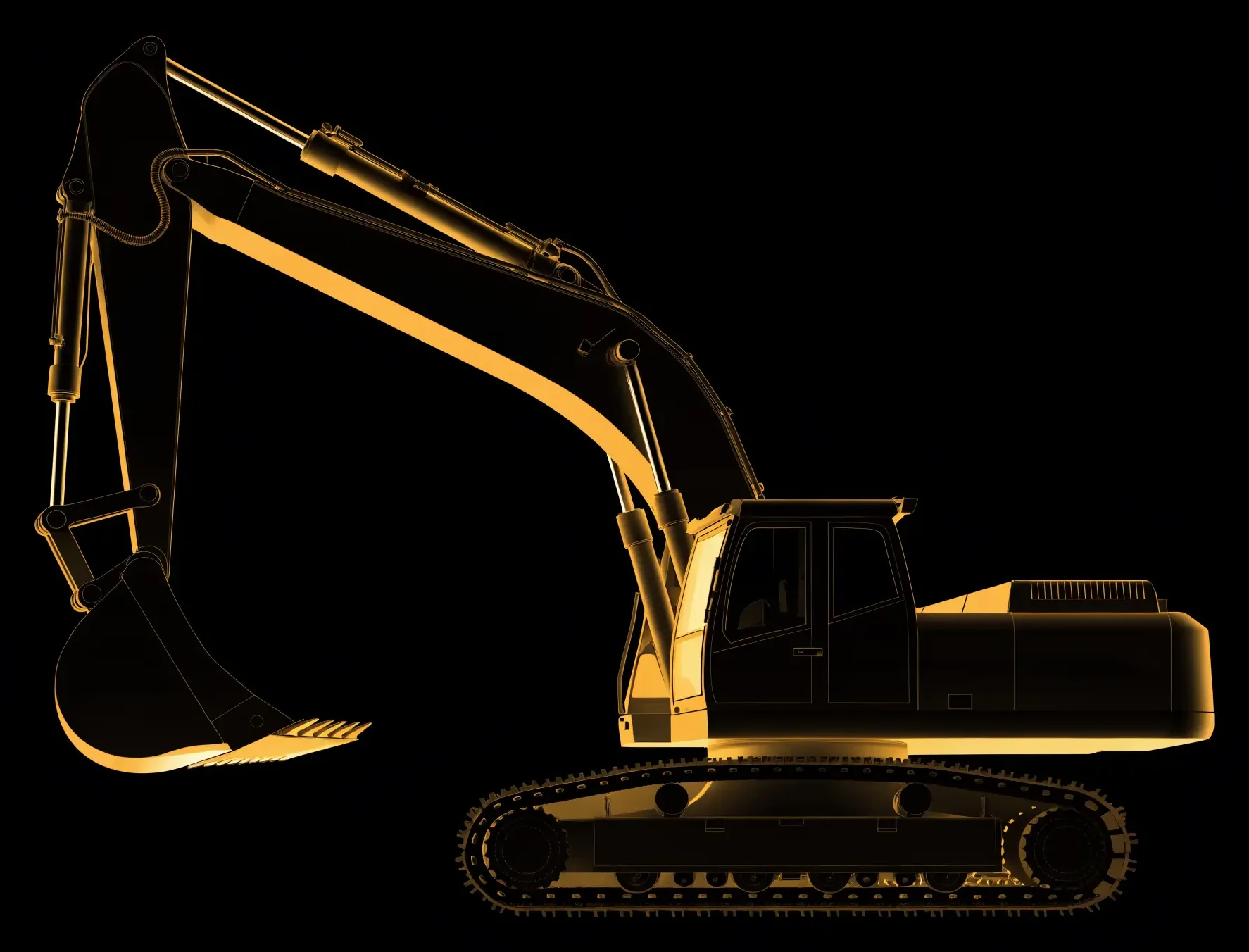
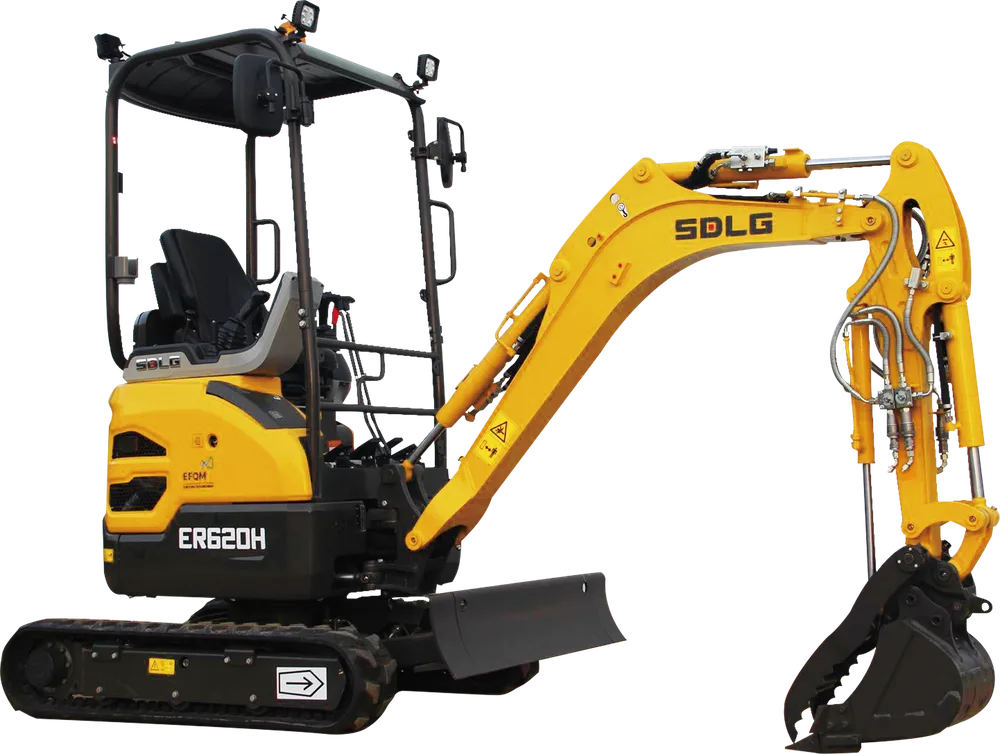
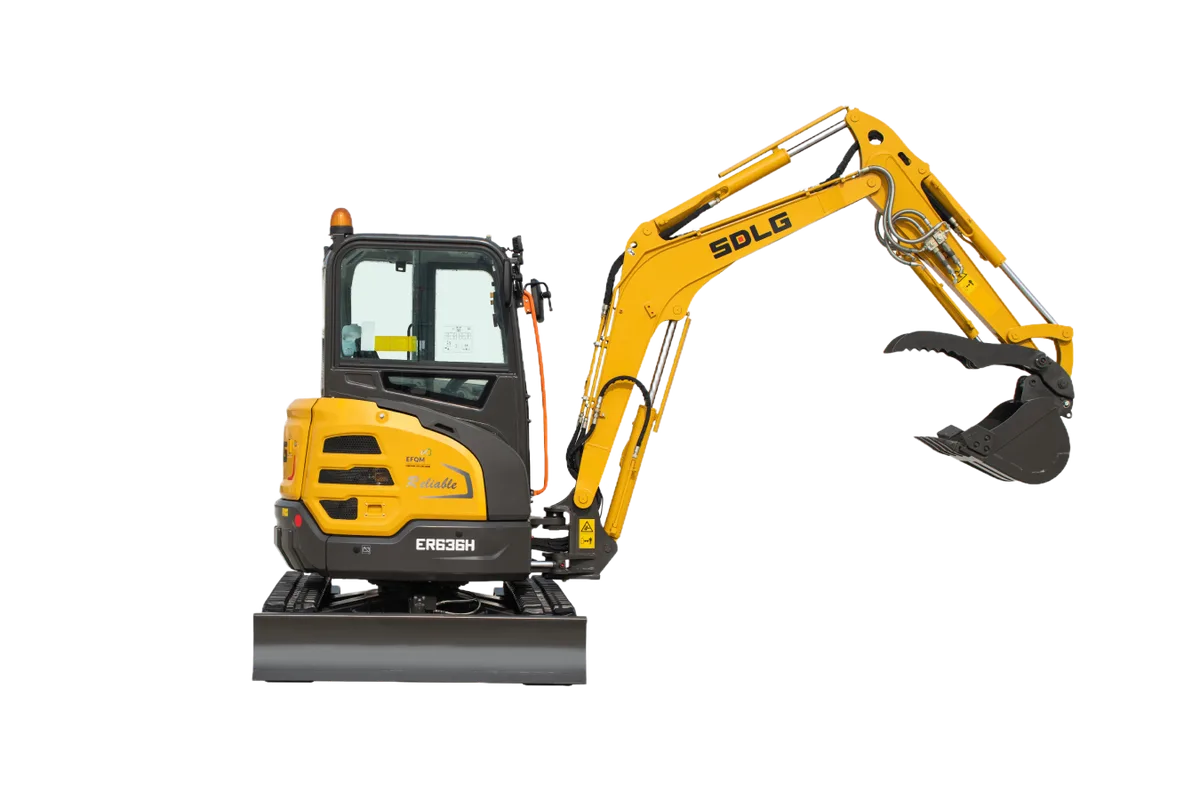
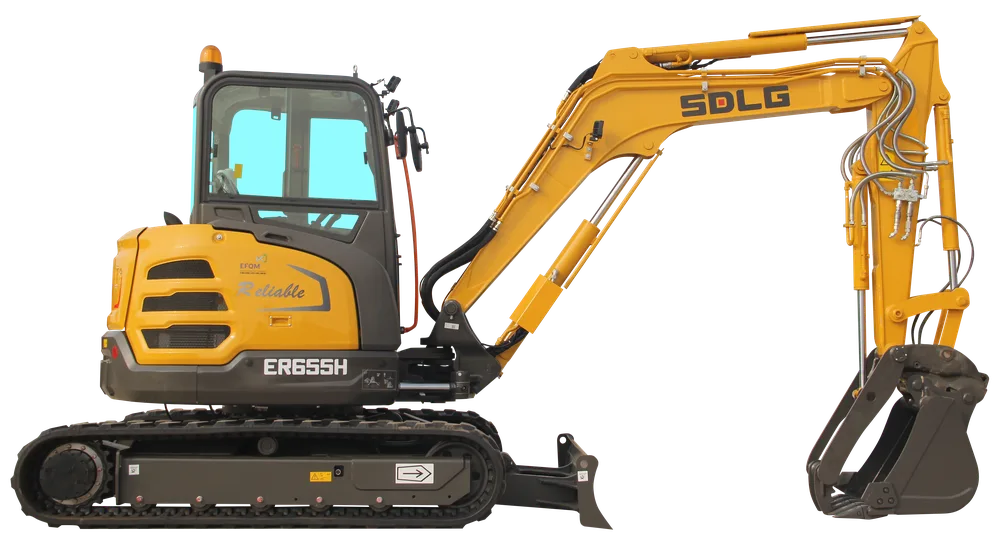
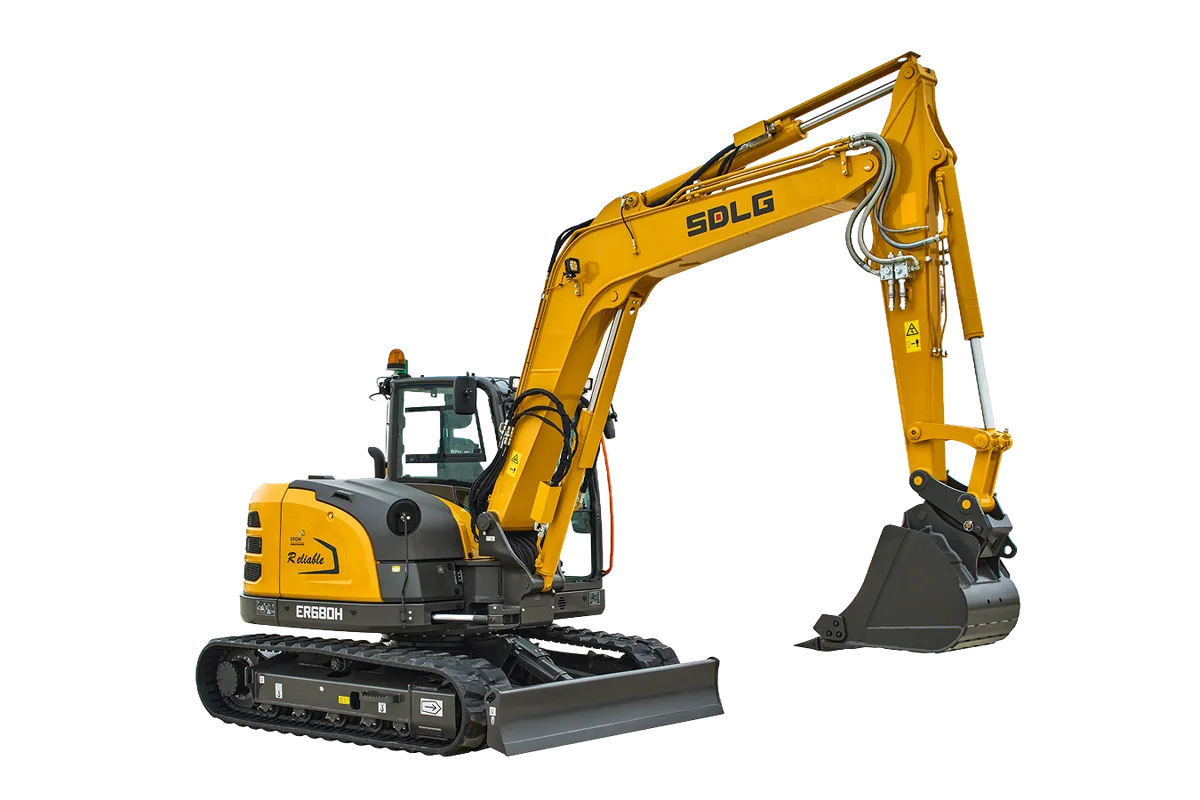
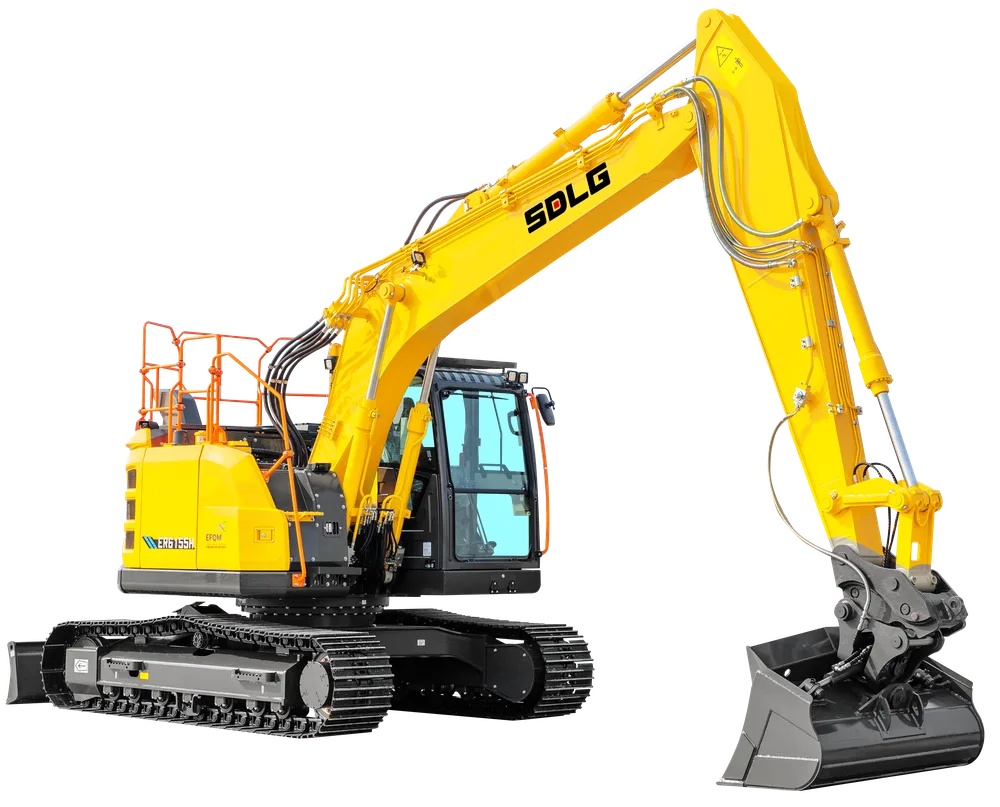
For a crawler excavator, dig depth and weight set the envelope. Our units reach 6.5 to 6.7 m deep. They sit between 21,300 and 26,000 kg. Deeper trenches and utility work want the reach. Heavier machines hold stability on slopes and swing bigger loads. They also cost more to float between sites. Check your trailer rating before you commit to the 26,000 kg class.
Power, in kW, tells you how hard the machine pushes. It also sets how fast the machine cycles. More kW helps in dense clay, rock, and steep grades. On light soil and short hauls, a smaller engine burns less fuel. Read the number against your ground, not as a headline.
Rent versus buy comes down to hours. Renting fits a defined project or a seasonal push. It also fits a machine you run a few weeks a year. Buying earns its keep past roughly 1,000 to 1,500 hours a year. That is when the day rate stops making sense. Renting first also lets you prove the size on your own site.
Guidance is general — representative figures, verified before final publication. Your firm quote comes from a coordinator.