9616 188 Street, Surrey BCAuthorized SDLG Dealer140+ machines in stock
Class 04 · Compaction

Compaction

Compact your fill to spec, from a hand plate to an 11-ton single drum. Six machines, requested from the Surrey yard.

All guides
In the yard
6 units
Kinds
3 types
Range
Hand plates to an 11-ton single drum
From
$60/day

Compaction

Know the difference

3 kinds of compaction. Here is which is which.

They are not interchangeable. Each one is good at something the others are not — and the wrong one costs you a day.

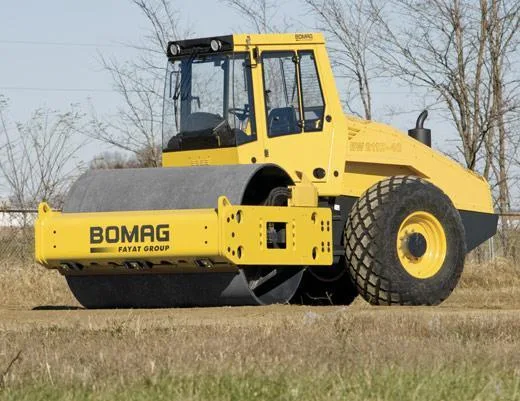
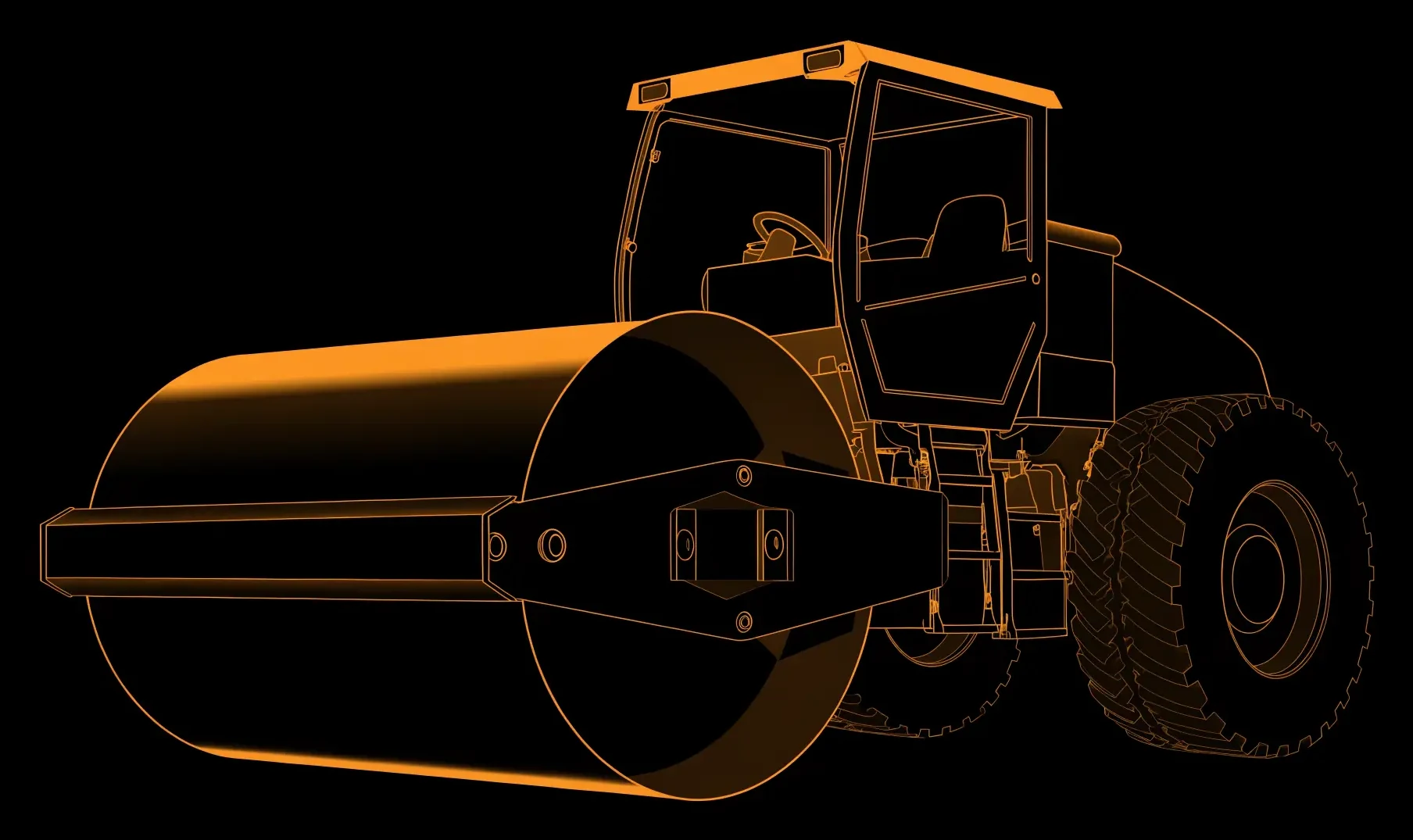
Single-Drum Roller — side view

Single-Drum Roller

A ride-on machine with a heavy vibrating steel drum that presses fill down into a solid, load-bearing base.

Pick it when
Any time you build ON your fill. Compaction is what stops a pad, a road or a slab settling later — the drum vibrates as well as presses, which drives the compaction deep instead of just skinning the surface.
The trade-off
It wants open ground and a float to get to site. A smooth drum is for granular material; clay and silt want a padfoot shell instead.
2 in the yard$365–$500/day
Cost per day by term · avg of 2
By the day$433
By the week$331
By the month$250

Past 6 days, the week costs less than paying daily — past 4 weeks, take the month.

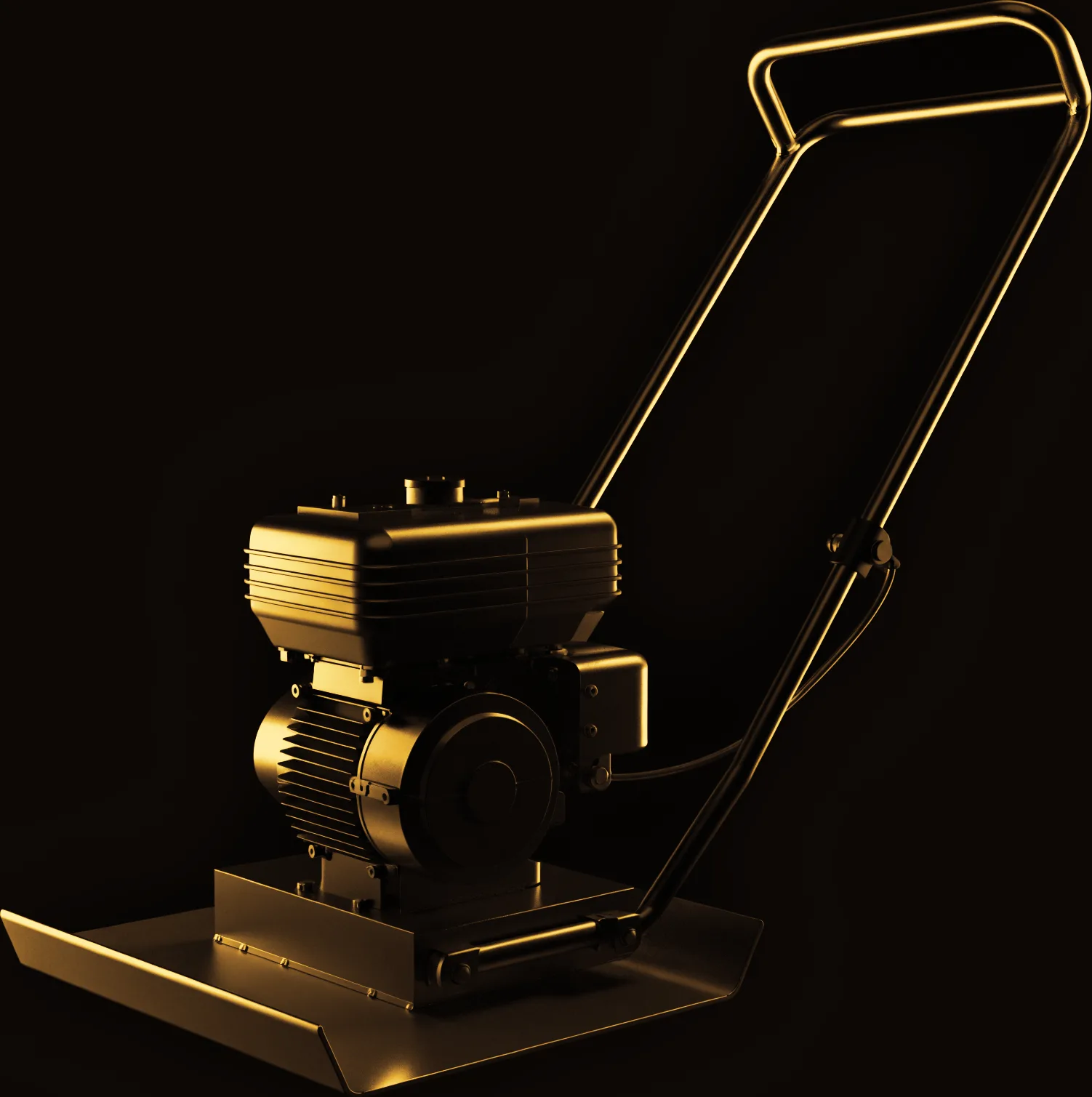
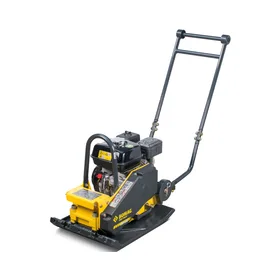
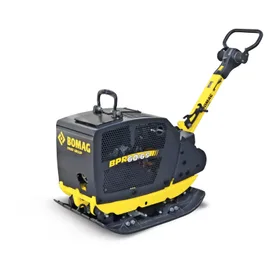
Vibratory Plate — side view

Vibratory Plate

A flat steel plate under an engine, hammering straight down as you walk it forward.

Pick it when
Patches, trench backfill, and the bedding course under pavers or a slab. One person works it, and it gets into ground a ride-on cannot reach or would tear up.
The trade-off
It compacts a shallow lift and you are walking behind it. Put it on an open pad and you will be there all day.
3 in the yard$60–$220/day
Cost per day by term · avg of 3
By the day$117
By the week$57
By the month$29

Past 4 days, the week costs less than paying daily — past 3 weeks, take the month.

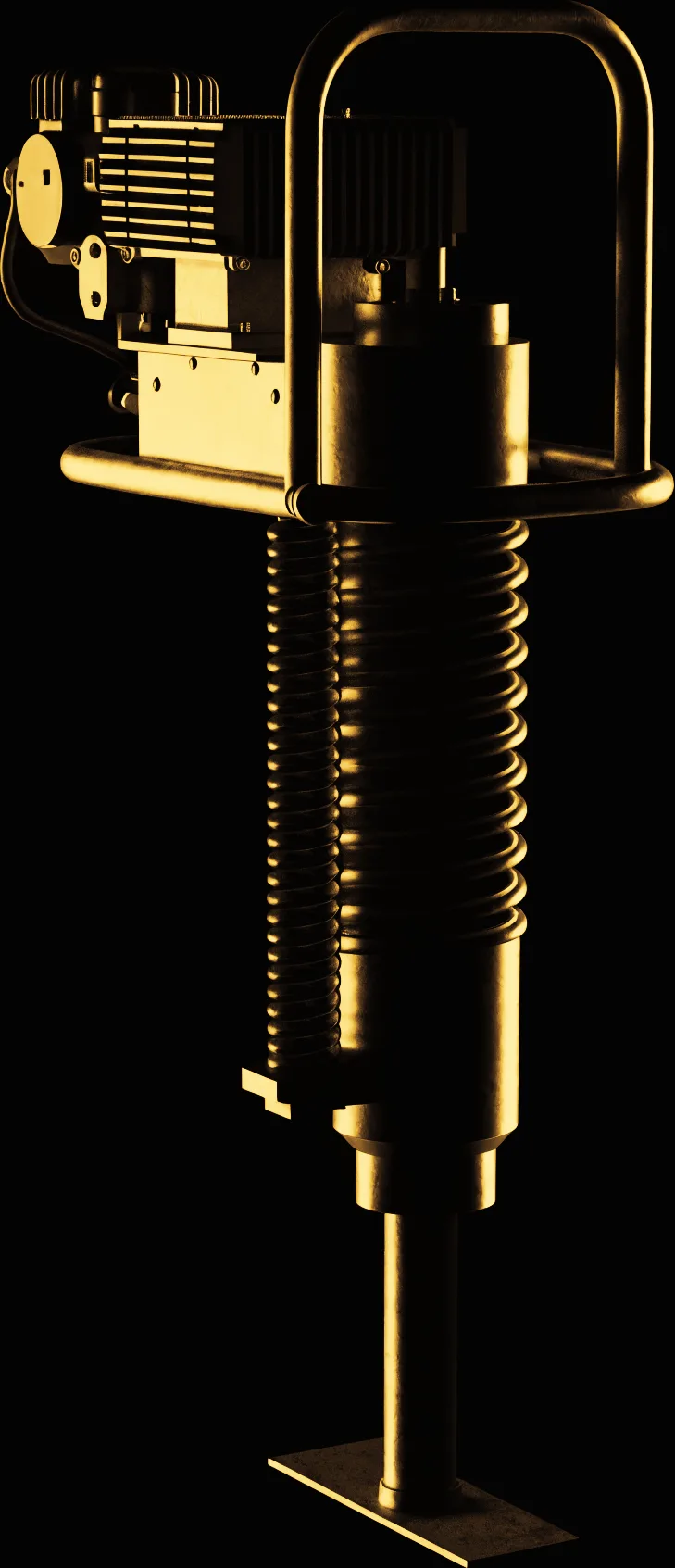
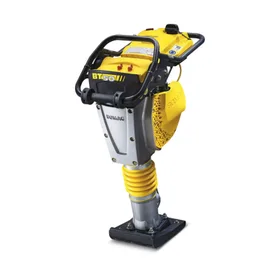
Jumping Jack Tamper — side view

Jumping Jack Tamper

A narrow foot on a spring-loaded ram that punches the ground in a hard, fast hop.

Pick it when
Trenches and cohesive ground. Impact is what moves clay and silt — a plate vibrates, and clay does not care. The foot is narrow enough to work down between trench walls.
The trade-off
That narrow foot covers ground slowly. On sand and gravel a plate does the same work faster.
1 in the yard$65/day
Cost per day by term · avg of 1
By the day$65
By the week$36
By the month$22

Past 4 days, the week costs less than paying daily — past 3 weeks, take the month.

6 units
Rent · BuyAvailable nowBOMAG
NL-214426

BOMAG BW211D-40

Single-Drum Roller · 2024

Tonnage
11 tons
$500/ day$2,800 wk · $9,500 mo · buy $165,000
The buyer's brief

Sizing a compactor

  • Vibratory platesThree plates, 103 lb to 925 lb, for patches, trench backfill and paver bedding.
  • Jumping jack tamperA 128 lb rammer for narrow trenches and cohesive soil.
  • Ride-on single-drum rollersTwo units: a 66" single drum, and the 11-ton BOMAG BW211D-40.

Start with the space, then the soil. A paver bed, a patch or a trench is hand work. A building pad, a road base or a lift of granular fill wants a ride-on drum. This class runs from a 103 lb plate up to the 11-ton BOMAG BW211D-40. Take the largest machine the space will hold. Compaction is one job where weight usually means fewer passes.

Soil decides plate or rammer. A plate compacts through vibration, so it suits sand, gravel and crushed base. That makes it right for paver bedding, small patches and driveways. A rammer hits with impact instead, and impact is what moves clay and silt. Trench backfill in cohesive ground is rammer work. Rammers also reach into narrow trenches a plate cannot. Ours is a 128 lb jumping jack.

Weight sets the lift you can compact. Our plates run 103, 200 and 925 lb. At 103 lb, the smallest plate is bedding and touch-up work. At 925 lb, the largest compacts a granular lift — at that weight, plan how it gets on and off the truck. Match lift depth to machine weight and build the fill in layers. A thick lift under a light machine leaves the bottom loose and the surface tight. The failure stays hidden until the pad settles.

On the ride-ons, drum type follows the soil. Smooth drums suit sand, gravel and rockfill. Padfoot drums knead clay and silt instead of bridging over them. Drum width sets coverage per pass; weight sets the depth. That is the general rule. We hold two single-drum rollers — one with a 66" drum, and the 11-ton BOMAG BW211D-40. Tell us your soil and a coordinator will confirm which unit suits the job before you book.

Pull your target density from the geotechnical report, not from a pass count someone remembers. Then run a test strip. Roll a marked length, count passes, test, and stop when you reach spec. Over-rolling burns fuel and can loosen a finished surface. Plan access early. The small plates travel in a pickup; the 11-ton BOMAG needs a float and a subgrade that will hold it.

Guidance is general — representative figures, verified before final publication. Your firm quote comes from a coordinator.

Straight answers

Compaction questions.

The space and the soil decide it. Hand plates for patches, trenches and paver bedding; a ride-on drum for pads and road base. Tell us the site and we size it.

Plates suit small patches, trench backfill and paver bedding. The 128 lb jumping jack suits narrow trenches and cohesive soil. Ride-on drums suit open pads and granular lifts.

Smooth drum for sand, gravel and rockfill. Padfoot for clay and silt. That is the general rule. Tell us your ground and a coordinator will confirm which of our units suits it before you book.

Nobody can give you a real pass count before seeing the job. Take target density from your geotechnical report, run a test strip, and count passes to spec.

Both. The BOMAG BW211D-40 is for sale as well as on rent. No online checkout — a coordinator confirms the unit and sends a firm quote.

Spreading and grading the fill before you roll it? See Earth Moving for loaders and excavators.

All 6 guides