How to size a wheel loader — buckets, tonnes and truth
Bucket volume sells the loader. Breakout force, truck match and site width decide whether it was the right one.
Ask what size loader you need and you usually get a bucket volume back. It is the wrong first question. Start with what you are loading and where it has to fit.
Start with the material, not the bucket
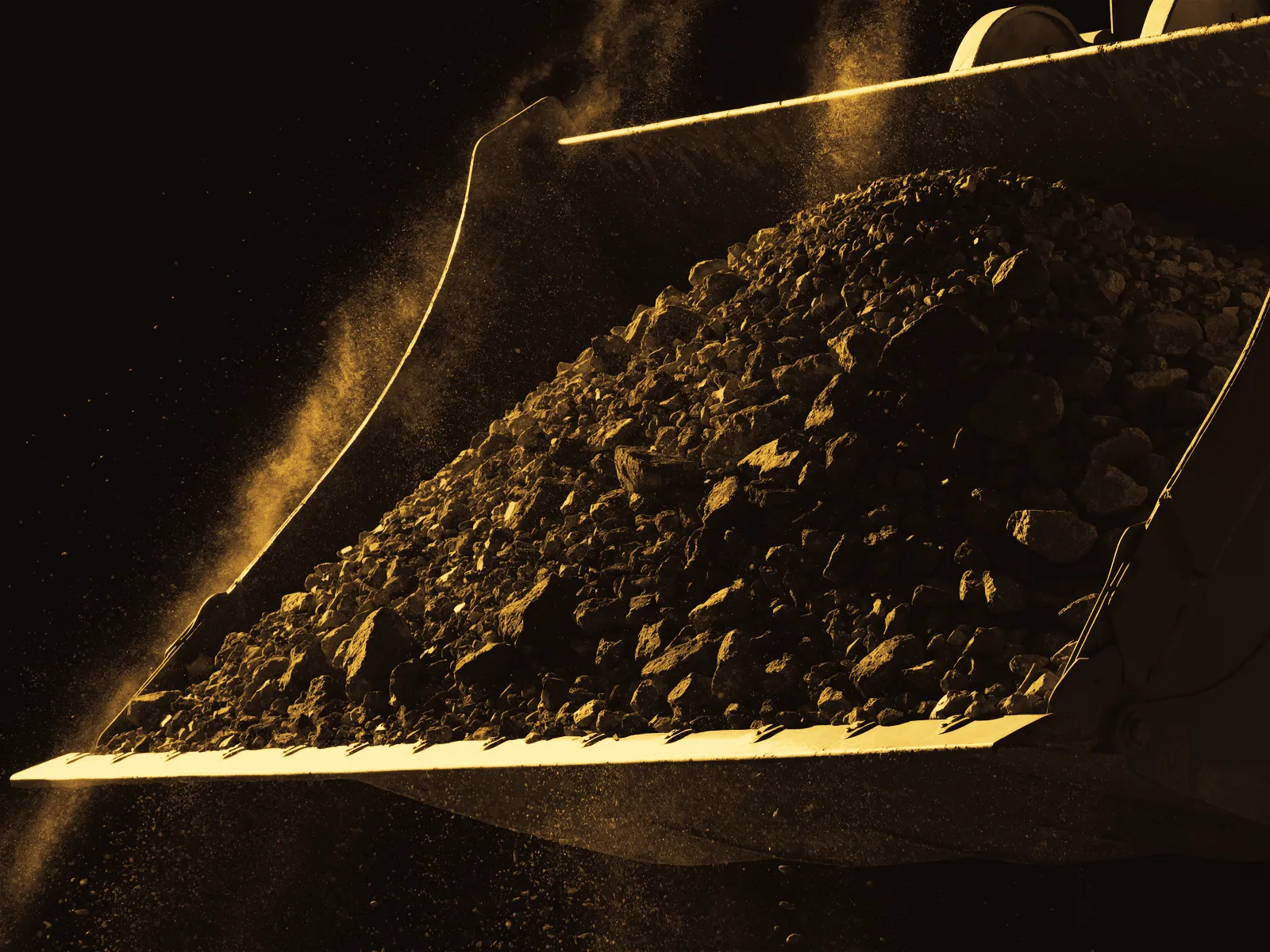
A cubic metre is a volume. What you pay for is mass. Loose aggregate, wet sand, and shot rock weigh very different amounts per cubic metre, and the loader feels every bit of that difference.
Fill a bucket rated for light material with wet sand and you have built a machine that tips forward. Rated capacities assume a material density. Check which one, then check yours.
Match the bucket to the truck
The cleanest sizing rule in the yard: pick the loader that fills your truck in a whole number of passes. Three to five is the range most operations want.
- Too few passes and you are carrying a bucket bigger than the job needs, all day, burning fuel to do it.
- Too many passes and the truck waits. A waiting truck is the most expensive thing on most sites.
- A fractional last pass wastes a whole cycle to move a half-load.
Truck capacity divided by realistic bucket load, rounded to a whole number. That is the sizing calculation nobody writes down.
Breakout force is what does the digging
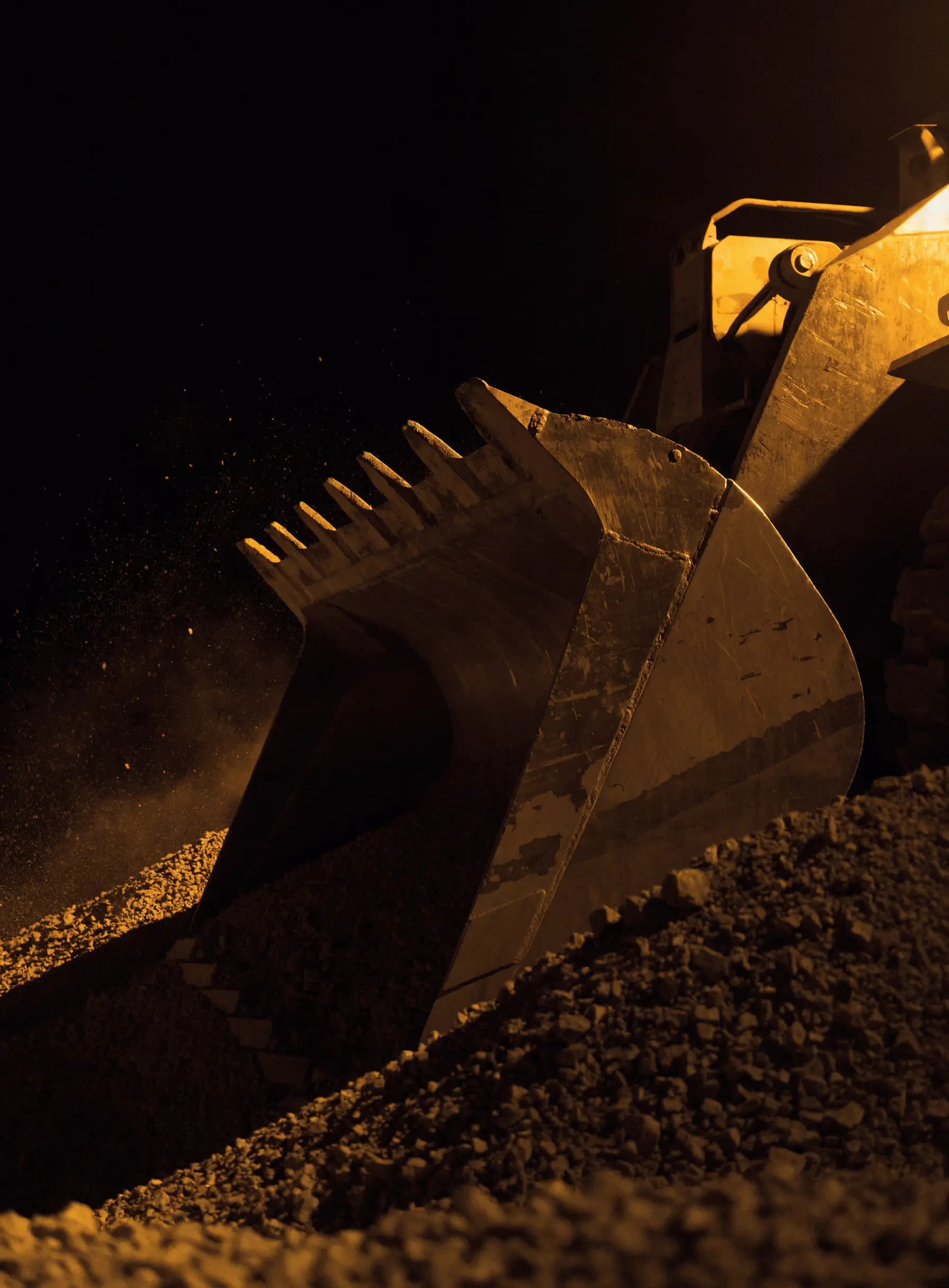
Volume gets the material to the truck. Breakout force gets it into the bucket. A big bucket on a machine without the force behind it will skate across a compacted face and fill slowly, which turns your pass count into fiction.
If you are loading from a stockpile, volume leads. If you are digging into anything that fights back, force leads.
Then check whether it fits
- WidthMeasure the tightest point on the haul route, not the gate. The gate is rarely the problem.
- Turning radiusA loader that cannot turn in the space you have will do three-point turns every cycle. That is your cycle time gone.
- Dump height and reachIt has to clear the truck box with the bucket rolled. Clearing it on paper is not clearing it.
- Operating weight vs the groundSoft ground, fresh fill, or anything you have to cross repeatedly. Weight is a site question, not a spec-sheet one.
- Transport weightIt has to get there. Weight and width decide the trailer and sometimes the permit.
The honest failure mode
Oversizing is the common mistake, and it is comfortable because a bigger machine never feels wrong in the moment. It just costs more to buy, more to run, more to move, and it struggles on the one tight site you did not think about. Undersizing announces itself on day one. Oversizing bills you quietly for years.
Tell us the job
Material, truck size, tightest point on the route, and ground condition. Four facts and we can point at the machine. Every unit in our yard lists its figures, and we will send the plate.